
What to Pack for a Planned Hospital Stay
Use your hospital’s admission instructions as the starting point, then organise practical essentials and current information without overpacking.
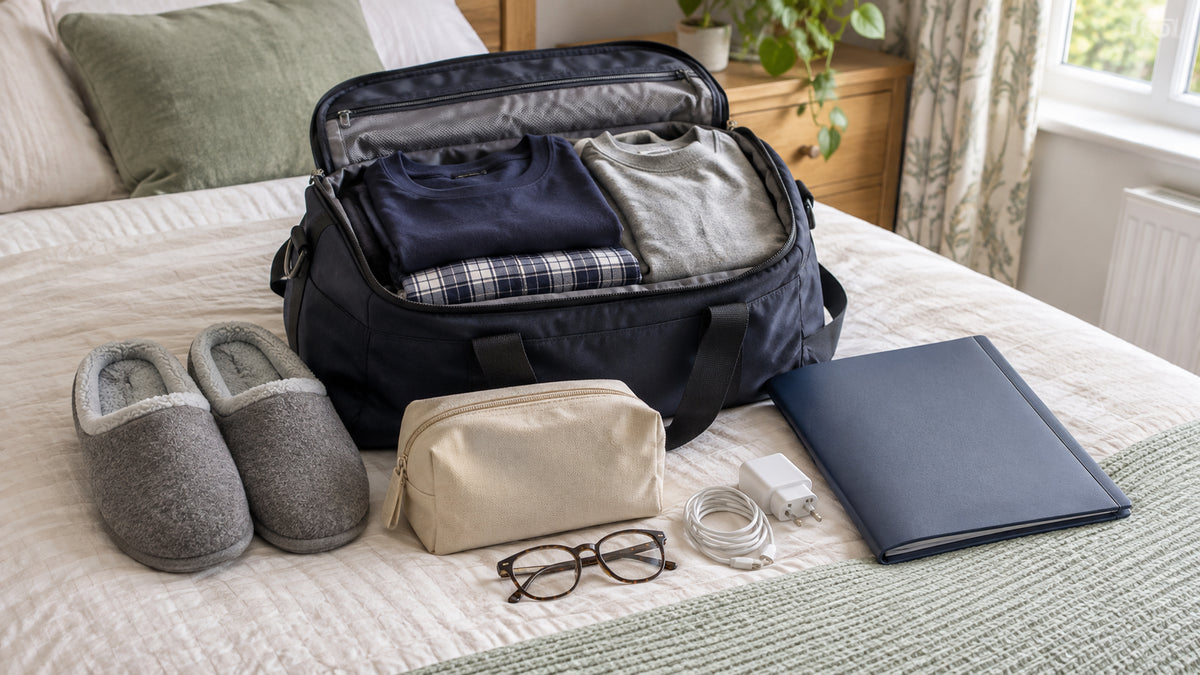
A planned hospital stay involves more than packing clothes. You may have admission instructions, transport arrangements and questions about what to bring. A simple checklist can reduce the number of decisions you need to make on the day. Start with the information from your own hospital, because requirements depend on the ward, treatment and your circumstances. A general packing guide should help you organise that information, not replace it.
Read the admission letter first
The NHS guide to going into hospital explains that admission details can include where to go, what to bring and specific preparation instructions. Read your letter carefully and note the department's contact details. If anything is unclear, contact the hospital before the visit. Do not make your own assumptions about eating, drinking or taking medicines before treatment.
Write a short timeline for the day: the arrival time, the entrance to use, the transport arrangement and the person accompanying you if applicable. Share only what the relevant people need to know. Keep the letter somewhere easy to retrieve rather than at the bottom of the packed bag. If information changes before admission, update the plan and tell anyone whose arrangements are affected.
Prepare current medicine information
Follow your hospital's instructions about bringing medicines, packaging and any current list. Record questions separately if something is unclear. Do not alter your treatment to make it fit a packing checklist. The important step is being able to explain your current routine and any recent confirmed changes. Keep related paperwork together, so you are not searching across old appointment letters to work out which information still applies.
Where you use several records, compare them before leaving. A paper medicines list and a phone document should not give different instructions without explanation. Ask a pharmacist or the team responsible for your care if you are unsure which record is current. Bring any additional documents the hospital specifically requests, and let the staff guide how medicines are handled during the stay rather than assuming your usual home arrangement will continue unchanged.
Choose practical everyday essentials
Think about the routines that help you feel comfortable: suitable clothing, toiletries, glasses and the items you regularly need for communication. Check with the ward about anything that may have restrictions. Pack enough to meet your needs without making the bag difficult to handle. Clearly identify belongings where appropriate, and avoid taking valuables that you do not need. A smaller, organised bag can be easier to manage than several unlabelled bags.
Keep commonly needed items in an accessible compartment. If somebody else may unpack the bag, a short contents note can help them find things without repeatedly asking you. Consider how you will manage charging a phone or other permitted device, and ask the ward about any requirements. Do not pack electrical or medical equipment on the assumption that it can automatically be used; check the hospital's arrangements first.
Plan for communication and support needs
If you need communication support, accessible information or assistance during the visit, raise this with the hospital in advance where possible. Write down the preferences you want to explain, such as how you best understand questions or what helps you express discomfort. A trusted companion can support the conversation if you want them involved. Make sure staff can still hear your own views and choices rather than relying only on someone else's account.
Think about the journey home too
Before you leave home, consider who may need to know about the stay and what practical help might be needed afterwards. Do not assume a discharge date or recovery arrangement that the hospital has not confirmed. Keep an appropriate contact informed and ask questions about any instructions you receive. Leave space in the bag for paperwork provided during the stay, so it does not become separated from the information you brought.
Your final check can be simple: admission instructions, current information, everyday essentials and a realistic travel plan. Follow the hospital's advice for anything specific to your care. A useful packing list helps you concentrate on the visit while keeping practical details within reach; it does not need to anticipate every possible situation to be worthwhile.


