
Medical ID Bracelet or Wallet Card: Which Fits Your Routine?
Wrist or wallet? Compare everyday habits, comfort and accessibility before choosing between a Tapiie WristBit bracelet and CardBit card.
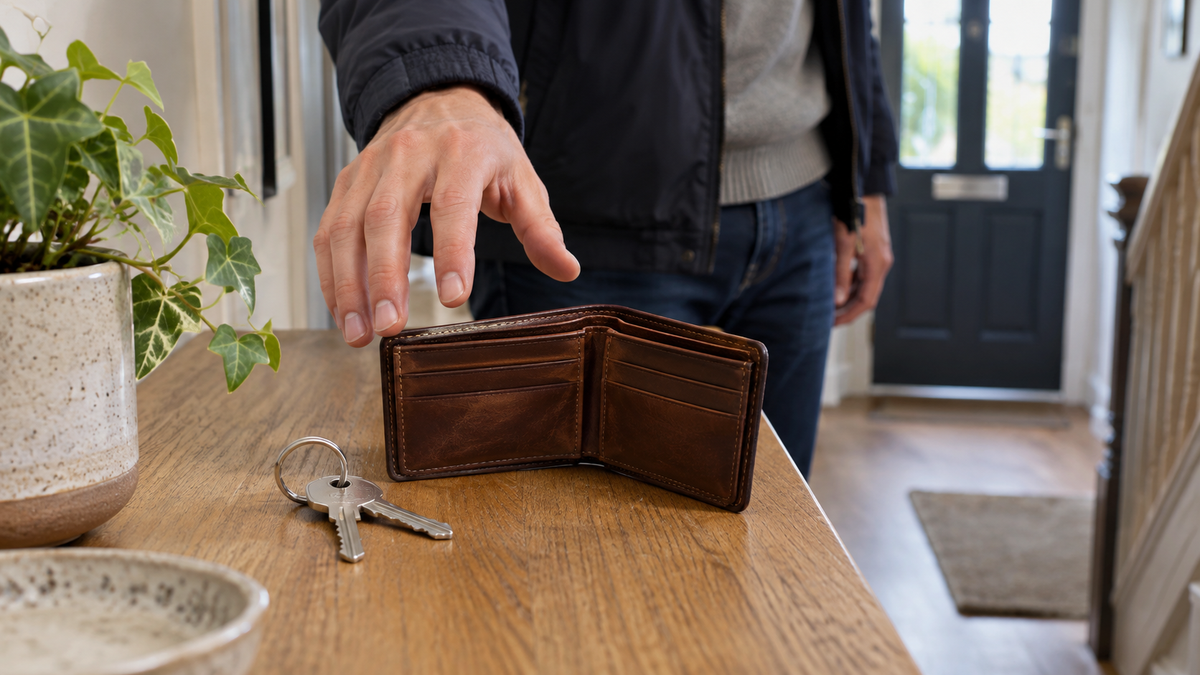
Choosing a medical ID is partly about the information it holds, but it is also about ordinary habits. Do you leave home with your wallet every time? Would you prefer something worn on your wrist? A bracelet and a wallet card can both connect someone to useful information, yet they fit different routines. Looking at a typical week is a better starting point than choosing an option you only remember occasionally.
Start with what stays with you
Think through a few real situations: walking the dog, taking public transport, going to work and visiting a friend. List the belongings you take in each one. If your wallet stays at home whenever you use your phone to pay, a wallet card might not always be nearby. If you regularly remove wristwear for comfort or a workplace rule, a bracelet also needs a realistic place in your routine.
Ask someone who knows your habits to help with this exercise. They may notice patterns you overlook, such as swapping bags at weekends or leaving personal items in a locker. This is not about finding a perfect product for every possible circumstance. It is about choosing something you are comfortable keeping close, then making sure the people around you understand where it is and what it is for.
When a medical ID bracelet may suit you
Tapiie WristBit is an NFC and QR medical ID bracelet connected to an online profile. Being worn on the wrist means it does not depend on carrying a particular wallet or bag. Consider the available options and product information before ordering, especially if you have specific comfort needs. A product page gives current details; a blog comparison should not substitute for checking the item you intend to buy.
Visibility can be helpful, but a bracelet does not guarantee recognition. Sleeves, gloves or the situation itself may affect whether somebody notices it. Let trusted colleagues, family members or support workers know about it where appropriate. Practise showing the QR code and explain that a compatible phone and internet connection are needed to open the profile. Familiarity is more useful than assuming everyone knows how your ID works.
When a medical ID wallet card may suit you
Tapiie CardBit offers NFC and QR access in a wallet-card format. It may suit someone who prefers not to wear a bracelet and reliably carries a wallet or purse. Place it somewhere accessible rather than behind a collection of old receipts. A card should remain easy to find without requiring a person to search through unrelated private documents or several zipped compartments.
A wallet card can also be part of a wider information arrangement. For example, someone may keep a separate printed medicines list with their appointment paperwork while carrying the card day to day. That paper record and the online profile should agree. If you choose more than one medical ID, follow the current setup instructions for each product and confirm that each opens the intended person's information.
Compare access, not just appearance
For WristBit and CardBit, scanning the QR code opens the profile link through a compatible phone browser. NFC tapping provides another route on supported phones. A viewing app or medical-profile login is not required for the accessible profile, but internet access is. Neither item is a substitute for professional assessment, emergency services or any clinician-issued information you have been advised to carry.
Your final choice should fit the day you actually live. Choose a bracelet if wristwear works for you, or a card if your wallet is the dependable constant. Then review your medical information and emergency contact details before using it. Explore the Tapiie range for current product options, and use the setup overview to understand the profile behind each ID.


